Modern Vector Illustrations for Web & Mobile Design
The Visual Engine of a Modern Online Presence
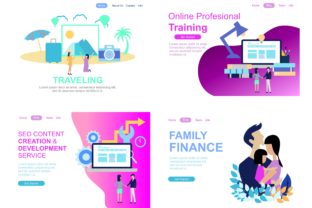
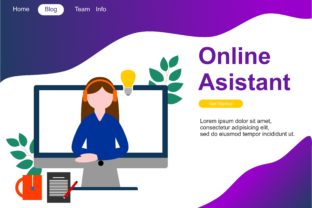
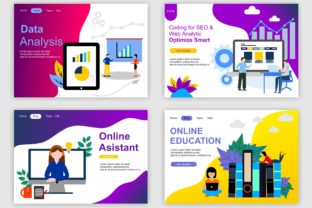
When you're building an online assistant office, the user interface is everything. It's the first handshake, the ongoing conversation, and the trusted guide all in one. A static, text-heavy page won't cut it. You need a dynamic, approachable, and instantly recognizable visual language. This is where Web Page Design Templates for Online Assistant Office. Modern Vector Illustration Concepts for Website and Mobile Website Development. Vector assets become indispensable. These aren't just pretty pictures; they are strategic design tools engineered to communicate efficiency, intelligence, and approachability in a single glance.
The visual personality of this collection leans into clean lines, balanced compositions, and a friendly yet professional color palette. Think of characters with soft, rounded features engaged in tasks like scheduling, data analysis, or customer interaction. The style avoids overly complex details, favoring a minimalist aesthetic that ensures clarity at any size. This isn't about creating a cartoonish world; it's about crafting a visual metaphor for streamlined productivity. The overall appeal lies in its versatility—these illustrations can feel corporate for a B2B platform or warm and inviting for a consumer-facing app, simply by adjusting the context and accompanying typography.
Strategic Applications Across Your Projects
The true power of a cohesive set of modern vector illustrations is its ability to unify your brand's visual identity across every touchpoint. For logo design, a simplified icon from the set can form the basis of a memorable mark, ensuring your brand symbol is directly related to your service's core offering. In editorial design, such as blog posts or whitepapers, these graphics break up dense text, illustrate complex concepts, and guide the reader's eye, dramatically improving engagement and comprehension.
Consider packaging design for a software subscription box or a related tech product. Using a key illustration on the sleeve instantly communicates the product's digital nature and user-friendly promise. For web design and social media graphics, consistency is key. The same character guiding a user through a signup flow on your homepage can appear in a LinkedIn post explaining a new feature, building recognition and trust. This approach transforms your brand identity from a static logo into a living, breathing system. The illustrations become core design assets, making every piece of marketing collateral feel intentionally crafted and part of a larger, professional story.
Practical Integration and Pairing Guidance
Integrating these assets is straightforward, which is a significant advantage for busy entrepreneurs and creators. The included JPG and EPS files cover virtually every need. JPGs are perfect for quick mockups in presentations, social media posts, or website banners where direct editing isn't required. The EPS vector files are the workhorses for professional projects. They allow you to scale illustrations to any size without quality loss, edit individual colors to match your exact brand palette, and isolate elements for custom compositions—all within software like Adobe Illustrator, Affinity Designer, or even Canva's Pro tools.
When pairing these illustrations with typography, your font choice will heavily influence the final tone. To maintain the modern, clean feel, pair them with a premium font that has good legibility. A geometric sans serif font for body text will complement the vector art's clean lines. For headings, you might use a bold display font or a crisp serif font to add a touch of authority without clashing. Avoid overly decorative script fonts or handwritten fonts for primary text, as they can undermine the professional, tech-forward vibe the illustrations establish. The goal is a harmonious dialogue between modern typography and contemporary illustration, where each element supports the other to create a seamless user experience.
Before finalizing, always test your chosen illustrations in context. Place a hero illustration on your landing page mockup. Does it draw the eye to your key message, or is it distracting? Use a character in a social media ad—does it increase click-through rates compared to a text-only version? This practical testing ensures the assets don't just look good, but actively contribute to your project's goals, enhancing readability, strengthening visual hierarchy, and ultimately fostering better audience engagement. By treating these vectors as a core component of your design system rather than mere decoration, you build a more coherent, professional, and memorable digital office space.