Timeless Appeal: Vintage Style Food Menu Templates
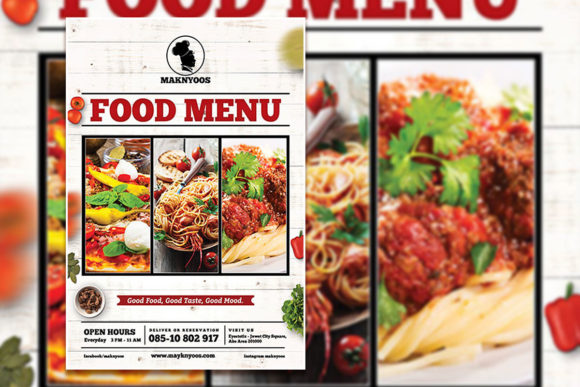
In a digital world saturated with sleek minimalism, there’s a powerful nostalgia for designs that tell a story. Vintage Style Food Menu Templates tap directly into this sentiment, offering a design bundle that doesn’t just list food items—it creates an atmosphere. This isn’t merely a collection of files; it’s a strategic toolkit for crafting an immediate emotional connection with your diners. The visual language is unmistakable: think textured paper backgrounds, classic typographic layouts, distressed edges, and warm, earthy color palettes. The personality is rustic, authentic, and full of character, instantly communicating a sense of tradition, quality ingredients, and homestyle comfort.
This aesthetic is perfectly suited for the food and beverage industry. The style inherently suggests a focus on craft, whether it's a hand-tossed pizza dough or a gourmet burger patty. For a designer or a small business owner, these templates solve a critical problem: how to quickly project a brand identity of authenticity and care without starting from scratch. The visual appeal lies in its ability to feel both timeless and trendy, appealing to customers who value experience as much as the meal itself.
Where This Template Bundle Truly Shines
The versatility of Vintage Style Food Menu Templates extends far beyond a standard restaurant menu. Its practical design features—A4 sizing with bleed and safety zones, fully layered PSD files, and 300 DPI print-ready format—make it a serious production asset. Here’s where it delivers maximum value:
- Restaurant & Café Branding: The primary use case. These templates provide a cohesive foundation for a brand’s entire print collateral, from dine-in menus to takeout flyers and daily specials boards. The editable text and shapes allow for easy updates.
- Food Truck & Pop-Up Marketing: For mobile businesses, a strong visual identity is crucial. This template bundle helps create consistent, professional materials that stand out in a crowded market, reinforcing a memorable brand identity.
- Food Blogging & Content Creation: Bloggers and content creators can use the templates to design printable recipe cards, downloadable meal planners, or social media graphics. The vintage aesthetic performs exceptionally well on platforms like Instagram and Pinterest, driving engagement with its warm, inviting feel.
- Packaging & Label Design: The style translates beautifully to product packaging for artisanal goods, hot sauces, craft beers, or baked goods. It communicates a premium, small-batch quality that consumers trust.
- Event & Wedding Planning: For rustic-themed weddings, barn dinners, or special event catering, these templates can be adapted for seating charts, table menus, and bar lists, ensuring a polished and thematic presentation.
The Practical Impact on Your Design and Business
Choosing a design asset is a strategic decision. Implementing Vintage Style Food Menu Templates influences more than just aesthetics; it affects key business and design outcomes.
Brand Perception & Consistency: A well-executed vintage design immediately elevates a brand’s perceived value. It suggests heritage, attention to detail, and a commitment to quality—attributes that justify premium pricing. Using the same template family across all touchpoints (menu, website header, social posts) builds a consistent and recognizable brand identity that fosters customer loyalty.
Readability & Visual Hierarchy: Good vintage design isn’t just about looking old; it’s about function. These templates are structured with clear hierarchies, using typography to guide the customer’s eye from section headers to item descriptions and prices. This thoughtful editorial design approach ensures the menu is not only beautiful but also easy to navigate, improving the customer experience and potentially increasing order value.
Professionalism & Efficiency: For a small business owner or a freelance designer, starting with a professionally designed template bundle is a game-changer. It saves dozens of hours, eliminates guesswork in layout and structure, and guarantees a print-ready result. The included free font usage rights (always verify the specific license for commercial projects) remove a common legal hurdle, making it a cost-effective commercial font solution.
Making It Work: A Designer’s Practical Guide
To get the most out of these templates, consider these actionable steps:
- Evaluate the Project Fit: Does the vintage style align with your core brand or your client’s concept? It’s ideal for pizzerias, burger joints, steakhouses, bakeries, and brewpubs. For a futuristic sushi bar, it might create a conflicting message.
- Customize with Intention: The power lies in the editable layers. Don’t just swap text. Adjust the color palette to match your brand’s existing colors. Replace placeholder images with your own high-quality food photography to make the design uniquely yours.
- Test Font Pairings: While the template includes a font, exploring font pairing can enhance the design. A classic serif font pairs well with a clean sans serif font for body text. For a more authentic feel, consider adding a subtle script font or handwritten font for special callouts, but use it sparingly to maintain readability.
- Consider the Medium: The print-ready format is perfect for physical menus. For web design or social media graphics, you may need to export sections as JPEGs or PNGs and adjust the resolution for screen. The layered PSD files make this extraction simple.
- Respect the Design System: The templates are built with a visual logic. When you customize, maintain the established spacing, alignment, and typographic scales. This preserves the professional typeface hierarchy and ensures the final product looks cohesive and intentional, not disjointed.
Ultimately, Vintage Style Food Menu Templates are more than just a design asset; they are a bridge between a business’s culinary vision and its customer’s first impression. They offer a shortcut to a professional, emotionally resonant brand identity that feels both crafted and trustworthy. In the competitive food industry, that kind of visual storytelling isn’t just nice to have—it’s essential for standing out and building a lasting connection with your audience.